Dublin Kitchens

Replacement Kitchen Doors in Ireland — The Complete Guide to Costs, Styles & Installation
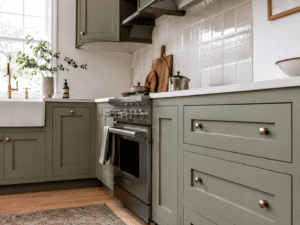
If your kitchen cabinets are structurally fine but the doors are tired, dated, or just not your taste anymore, replacing the doors is the single most cost-effective kitchen upgrade you can make. You keep the cabinet carcasses, the layout, the worktops, and the plumbing exactly where they are — you just change the part everyone actually sees.
It costs a fraction of a full renovation, takes days rather than weeks, and doesn’t involve living without a kitchen while the work happens. For the right kitchen, it’s a no-brainer.
But it’s not right for every kitchen. Let’s go through when it works, when it doesn’t, what it costs, and how to get it done properly.
Replacement Doors or Full Renovation: How to Decide
This is the first question to answer, and it comes down to three things: the condition of your cabinets, the functionality of your layout, and your budget.
Replace the doors if:
- The cabinet carcasses are solid, square, and free of water damage
- You’re happy with the current kitchen layout
- The worktop is in good condition and you want to keep it
- The kitchen is less than 15-20 years old
Do a full renovation if:
- The cabinet carcasses are swollen, water-damaged, or coming apart
- The layout doesn’t work and you want to change it
- You want to move the sink, hob, or appliances
- The worktop needs replacing anyway
- The kitchen is more than 20 years old and the cabinets are chipboard-based
A kitchen from the early 2000s or older is likely reaching the end of its structural life. Chipboard cabinets eventually fatigue, especially around hinges and in damp areas. New doors on tired cabinets is like putting new tyres on a car with a failing engine — you’re fixing the visible problem but ignoring the bigger one underneath.
Kitchens from the last 10-15 years, though, are often ideal candidates. Modern MFC cabinets hold up well, and a door replacement can make a kitchen look brand new for about 30-40% of the cost of replacing everything.
What Does Replacing Kitchen Doors Cost in Ireland?
Here are realistic numbers based on kitchens we’ve done:
| Kitchen Size | Doors Only | Doors + Drawers + Handles | Full Door Replacement (incl. trims & panels) |
| Small (5-8 doors) | €500 – €1,200 | €800 – €1,800 | €1,200 – €2,500 |
| Medium (10-15 doors) | €1,200 – €2,500 | €1,800 – €3,500 | €2,500 – €4,500 |
| Large (15-20+ doors) | €2,500 – €4,000 | €3,500 – €5,500 | €4,500 – €7,000 |
These prices are for the doors and hardware only — installation is additional if you’re not doing it yourself. Professional fitting typically adds €300-800 depending on the number of doors and whether you’re also replacing handles, hinges, drawer fronts, and decorative end panels.
What affects the price most: the material and finish of the new doors. Vinyl-wrapped MDF is the most affordable. Painted MDF is mid-range. Solid timber or high-gloss lacquered doors sit at the top. A full set of hand-painted Shaker doors costs about 60% more than the equivalent in vinyl wrap, but the visual difference is noticeable.
Door Styles You Can Choose From
Replacement doors come in the same range of styles as new kitchen doors. The most popular options in Ireland right now:
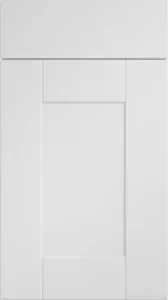
Shaker: The classic. A five-piece door with a recessed centre panel and a simple frame. Works in period homes and modern kitchens alike. Available in painted, vinyl, and timber versions. It’s the style we fit most often, and it’s not even close.
→ Shop Now: Hillwell Kitchen Doors
Slab / Handleless: A flat door with no frame or detailing. Clean, minimalist, and particularly good in small kitchens where visual clutter makes the space feel smaller. Handleless versions use a J-pull groove or push-to-open mechanism.

→ Shop Now: Galaxy Kitchen Doors
Gloss: High-shine vinyl doors that reflect light and make a kitchen feel brighter. Popular in apartments and contemporary homes. The downside: they show fingerprints, especially in darker colours.

→ Shop Now: Phoenix High Gloss Kitchen Doors
Woodgrain / Textured: Vinyl doors with a realistic wood-grain texture. They look like timber but cost and behave like vinyl. Good for adding warmth without the maintenance of real wood.
In-Frame: The door sits inside a solid frame rather than on top of the cabinet. It’s a premium look — more furniture than kitchen cabinet — but costs significantly more and requires the existing cabinet fronts to be compatible with in-frame hinges. Not all cabinets can take in-frame doors.
Explore More Replacement Door Styles →
Materials: What Your New Doors Are Made Of
Vinyl-Wrapped MDF: An MDF core wrapped in a vinyl skin, heat-sealed around the edges. The most affordable option. Modern vinyl wraps are durable, easy to clean, and available in a huge range of colours and textures. The main vulnerability is heat — excessive heat near an oven or hob can cause the vinyl to peel at the edges over time. Good quality vinyl doors from a reputable supplier should last 15+ years with normal use.
Painted MDF: An MDF core that’s spray-painted and lacquered. Costs more than vinyl but gives a deeper, richer finish that looks closer to hand-painted timber. Scratches and chips can be touched up (though colour-matching aged paint is always a challenge). Painted doors feel more premium than vinyl — most people can’t tell a well-finished painted MDF door from solid painted timber without touching it.
High-Gloss Lacquered: MDF with multiple layers of lacquer, polished to a mirror finish. The most dramatic look, and the most demanding to maintain — every fingerprint and water spot shows. Best suited to handleless slab doors in contemporary kitchens.
Solid Timber: Real wood, usually oak or ash. Beautiful and expensive. Timber doors move with humidity — they’ll expand and contract slightly through the seasons, which is normal. They can be sanded and refinished if damaged. More demanding to maintain than any of the manufactured options.
Laminate / Melamine-Faced: The budget option. A printed pattern on a fibreboard core, with a sealed edge. Not as durable or attractive as vinyl or painted options, but functional and very affordable. Common in rental properties and budget upgrades.
DIY vs Professional Installation
Replacing kitchen doors is one of the more DIY-friendly kitchen jobs, but it’s not as simple as unscrewing the old ones and screwing on the new ones. Here’s what’s involved:
What you need to do: Remove every door and drawer front. Remove every hinge from every cabinet. Fit new hinges to the new doors (this requires drilling hinge cups — 35mm diameter, specific depth — in exactly the right positions). Hang the new doors. Adjust every hinge so the doors sit level and have consistent gaps. Fit new handles, drilling new holes if the hole spacing has changed. Replace decorative end panels, cornice, and plinth if you’re doing a full refresh.
Things that can go wrong: Hinge cup holes drilled in the wrong position (the door sits crooked and won’t adjust out). Handle holes drilled off-centre. Old hinge mounting plates that don’t match the new hinges. Doors that don’t quite fit because the old cabinets have shifted slightly over time.
If you’re competent with a drill, have fitted kitchen doors before, and own a hinge cup drill bit, it’s a weekend’s work. If you’re not confident with any of that, pay a professional. The labour cost of fitting doors properly is modest compared to the cost of replacing doors you’ve damaged through incorrect drilling.
Read More Kitchen Installation Advice →
How Kitchens4U Handles Door Replacement
We take a slightly different approach than just selling you a set of doors and wishing you luck. Here’s how it works:
- Survey: We visit your kitchen and check the condition of your existing cabinets. If the carcasses are sound, we proceed. If they’re not, we’ll tell you honestly — we’d rather you spend your money on something that’ll last.
- Measure: Every door is measured individually. Kitchens settle over time, and a door that was 596mm wide ten years ago might need to be 594mm or 598mm to sit correctly now. We don’t assume standard sizes — we check each one.
- Design: We’ll show you door samples, help you pick a style and finish that works with your existing worktop, floor, and wall colour, and give you a fixed price.
- Manufacture: Doors are made to your measurements — usually 2-3 weeks.
- Install: Our fitting team removes the old doors, fits the new ones, adjusts everything so gaps are consistent, and fits new handles and hinges. It’s typically a one-day job for a medium-sized kitchen.
Browse our replacement door range →
Frequently Asked Questions
Q: Can I replace just some of my kitchen doors, or do I need to do them all?
A: You can do a partial replacement — for example, replacing only the wall unit doors to create a two-tone look with lighter uppers and darker base cabinets. It’s a current design trend and works well visually. What you can’t easily do is replace just one or two damaged doors and expect them to match — even the same colour code from the same manufacturer will show a difference if there’s a multi-year gap between production batches.
Q: Can I change door style completely — say, from Shaker to slab?
A: Yes, as long as the new doors fit the existing cabinet dimensions. The hinge type might need to change, and you’ll need to check that the new hinge mounting plates fit your cabinet’s pre-drilled holes. Most European-style cabinets use a standard 35mm hinge cup and a standard mounting plate pattern, so switching styles is usually straightforward.
Q: Will new doors fit my old IKEA / B&Q / Howdens cabinets?
A: Possibly, but you need to check the hinge system. Most modern cabinets use a standard 35mm cup hinge with mounting plates that fit into a row of 5mm holes at the front edge of the cabinet. If your cabinets use this system, replacement doors from another manufacturer will likely fit. If they use a proprietary system, you’re tied to the original manufacturer for doors. We can assess this during the survey.
Q: Is it worth replacing kitchen doors before selling a house?
A: Often, yes. A kitchen with fresh, contemporary doors photographs far better than one with dated oak or beech doors from the 2000s. For an investment of €1,500-3,000, you can make a kitchen look ten years newer in listing photos. Whether that translates to a higher sale price depends on the market, but it almost always helps the kitchen sell faster — and kitchens sell houses.
Q: How long do replacement kitchen doors last?
A: Good quality doors — vinyl-wrapped or painted MDF from a reputable manufacturer — should last 15-20 years with normal use. That’s comparable to the doors on a new kitchen. The limiting factor is usually the cabinet carcasses behind them; if the cabinets are already 15 years old, you might get another 10 years from the new doors before the cabinets themselves need attention.
Is Door Replacement Right for Your Kitchen?
If your cabinets are solid, your layout works, and your worktop is staying, replacing the doors is the smartest money you’ll spend on your kitchen. You get 80% of the visual impact of a new kitchen for about 30% of the cost.
The best next step is to have someone who knows what they’re looking at check your existing cabinets. We do this as a free survey — we’ll tell you honestly whether your kitchen is a good candidate for door replacement, or whether you’re better off putting the money toward a full renovation.
📅 Book a Free Kitchen Survey →
Already decided on a full renovation? Read our complete kitchen renovation cost guide → or compare fitted vs bespoke kitchens →