Dublin Kitchens

Kitchen Units Ireland: Types, Sizes & Prices Guide (2026)
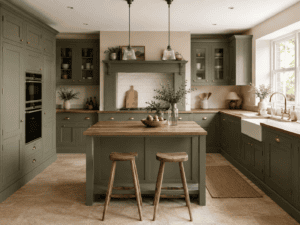
If you are planning a new kitchen, one of the first things you will come across is the word “units”. It sounds simple, but kitchen units are where most of the planning decisions begin. They affect your storage, layout, worktop length, appliance spaces and, in many cases, a large part of the overall kitchen cost.
Quick Answer: What Are Kitchen Units?
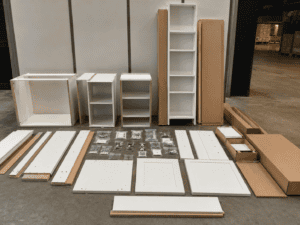
Kitchen units are the cabinet boxes that make up the main structure of a kitchen. They usually include base units, wall units, tall units and specialist storage units. The doors, drawers, handles, shelves, hinges, plinths, panels and worktops are then added around those units to create the finished kitchen.
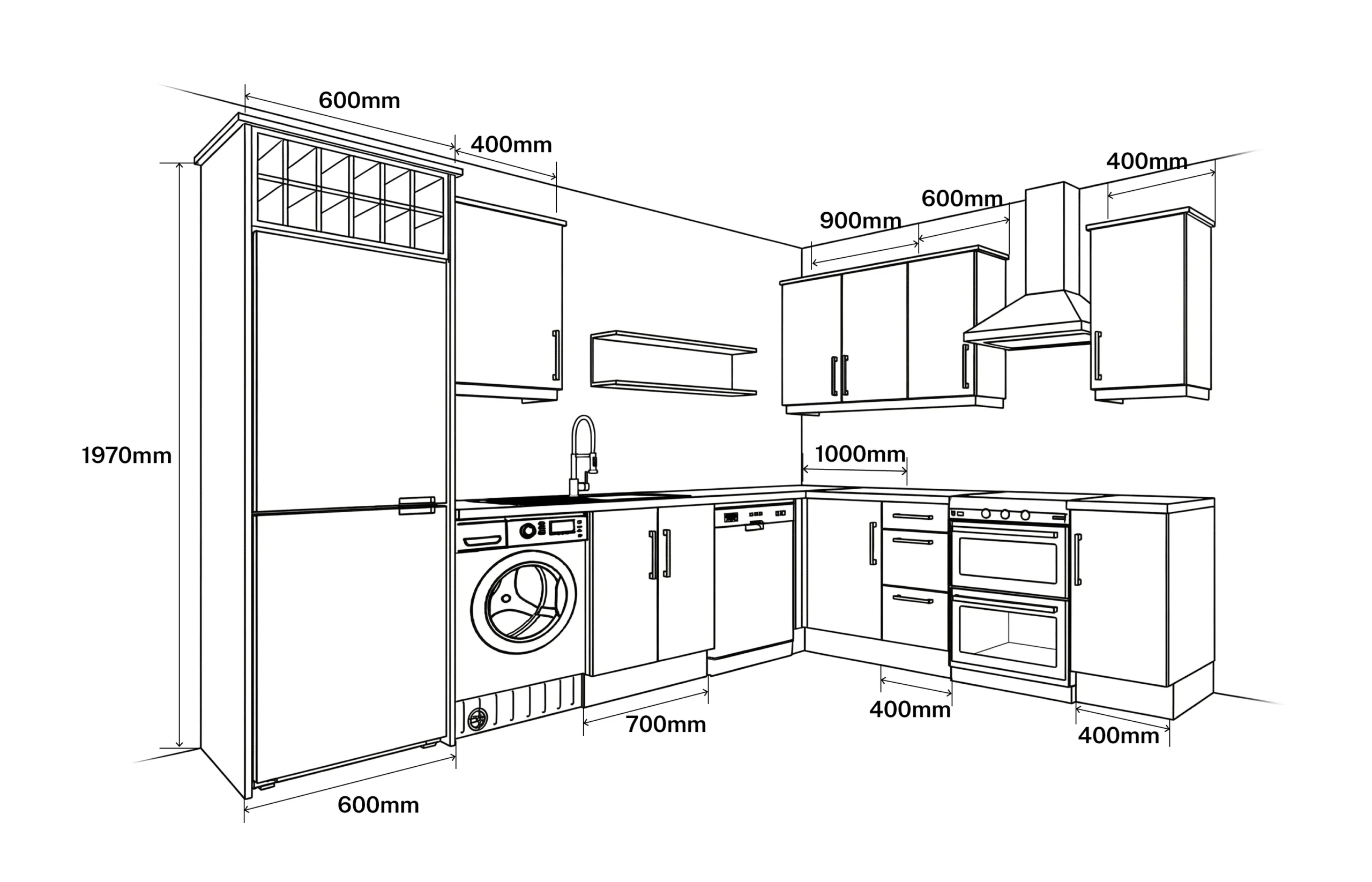
In Ireland, most kitchens are built from a mix of standard-width units, commonly including 300mm, 400mm, 500mm, 600mm, 800mm and 1000mm cabinet sizes. A well-planned kitchen is not just about fitting as many units as possible into the room. It is about choosing the right type of unit for the way the kitchen will actually be used.
How Much Do Kitchen Units Cost in Ireland in 2026?
Kitchen unit prices in Ireland vary widely because “units” can mean different things. Some quotes cover cabinet boxes and doors only. Others include drawers, hinges, handles, panels, worktops, delivery and fitting. Before comparing prices, always check what is included.
| Kitchen Unit Option | Typical 2026 Price Guide | What It Usually Means |
|---|---|---|
| Partial unit replacement | From around €1,500–€3,000+ | Replacing selected cabinets or adding extra storage, rather than changing the full kitchen. |
| Small flat pack kitchen units | Commonly around €2,500–€5,000 | Cabinet units and core components for a smaller, straightforward kitchen, before many extras. |
| Standard flat pack cabinet package | Often around €4,000–€7,000 | A more complete cabinet package for a typical Irish kitchen layout, depending on finish and number of units. |
| Pre-assembled kitchen units | Usually higher than flat pack | Cabinets arrive already assembled, saving time on site but usually costing more than flat pack. |
| Fitted kitchen with units, planning and installation | Often around €10,000–€25,000+ | A fuller kitchen project where design, supply, fitting, worktops and site requirements may all affect the final cost. |
These are planning ranges, not fixed prices. A small galley kitchen with simple slab doors will not cost the same as a large kitchen with tall larder units, deep drawers, painted shaker doors, pull-out storage and a kitchen island.
As a current reference point, Kitchens4U’s flat pack kitchen ranges include cabinet packages for 3m x 3m L-shaped kitchens from around the lower-to-mid four-thousand euro range, depending on the door style and finish. Wider Irish market guides also place entry-level flat pack kitchens around the €5,000 mark and fuller kitchen projects much higher once worktops, fitting and renovation work are included. This is why it is important to separate the cost of kitchen units from the total cost of a finished kitchen.
Need a clearer price for your kitchen?
Send us your measurements, photos or rough plans and our team can help you understand what type of kitchen units will work best for your space.
Book a Free Design Consultation →
Main Types of Kitchen Units
Most kitchens are made from a combination of several unit types. The right mix depends on the room size, ceiling height, storage needs, appliances and whether you want a compact kitchen or a more built-in look.
Base Units
Base units sit on the floor and support the worktop. They are used for everyday storage, drawers, sink units, hob areas and appliance spaces. In many kitchens, base units do most of the practical work.
Standard base units are often used for pots, pans, dry food, bins, cleaning products and general storage. If you cook regularly, deep drawer base units can be more useful than standard cupboards because you can see and reach items more easily.
Wall Units
Wall units are fitted above the worktop and are useful for glasses, plates, mugs, spices and lighter everyday items. They help add storage without taking up floor space, which is especially useful in smaller Irish kitchens.
The main thing to watch is height. Wall units fitted too low can make the worktop feel cramped. Wall units fitted too high may look good on a drawing but become awkward to use every day.
Tall Units
Tall units are full-height cabinets used for larders, integrated fridge freezers, ovens, broom storage and general pantry-style storage. They are one of the best ways to increase usable storage without spreading the kitchen across more walls.
A single tall larder unit can sometimes be more useful than two or three small wall cabinets, especially in family kitchens where food storage matters.
Corner Units
Corners are common in L-shaped and U-shaped kitchens, but they need careful planning. A poorly planned corner can become a dead space where items get lost at the back.
Options include standard corner units, L-shaped corner units and pull-out corner storage. Pull-out systems add cost, but they can make a difficult space much easier to use.
Drawer Units
Drawer units usually cost more than simple cupboards, but they are often worth considering. Deep drawers are practical for pans, baking trays, food containers and everyday cooking items.
In a modern kitchen, a mix of cupboards and drawers usually works better than cupboards alone.
Sink Units
A sink unit needs enough space for the sink bowl, tap, waste pipe and plumbing. It may also need to allow room for cleaning products or a bin system. Do not treat it like a normal cupboard when planning storage because the plumbing will reduce usable space inside the unit.
Appliance Housing Units
These units are designed around ovens, microwaves, fridge freezers, dishwashers and other appliances. Appliance housing needs to be planned early because the cabinet size, ventilation, electrical points and door clearances all matter.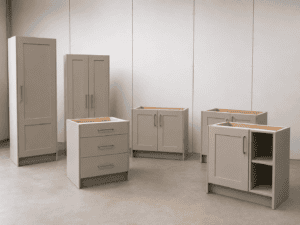 Shop Kitchen Units Online →
Standard Kitchen Unit Sizes in Ireland
Standard sizes make kitchen planning easier and help control cost. Custom sizes are sometimes needed, but the more your design can use standard units, the easier it usually is to price, order and install.
| Unit Type | Common Sizes | Planning Notes |
|---|---|---|
| Base units | Common widths include 300mm, 400mm, 500mm, 600mm, 800mm and 1000mm | Used below the worktop for drawers, cupboards, sink units and appliance spaces. |
| Wall units | Often matched to common base unit widths | Useful for everyday storage, but height and reach should be checked carefully. |
| Tall units | Often around 600mm wide, with heights depending on kitchen design | Used for larders, ovens and integrated fridge freezers. |
| Drawer units | Often 400mm, 500mm, 600mm, 800mm or wider | Great for accessible storage, but usually more expensive than basic cupboard units. |
| Corner units | Sizes vary depending on the corner solution | Needs careful measuring to avoid wasted space or awkward door openings. |
If your kitchen is in an older Dublin home, do not assume the room is perfectly square. Walls, floors and corners can be slightly uneven, which is why fillers, end panels and careful measuring matter.
For a more detailed size breakdown, read our standard kitchen cabinet sizes guide →
What Affects Kitchen Unit Prices?
The number of units matters, but it is not the only reason one kitchen costs more than another. The unit type, finish, internal storage and installation requirements can change the price significantly.
1. Door Style and Finish
A simple slab door is usually more cost-effective than a painted shaker, timber painted or more detailed door style. Gloss, matt, woodgrain and painted finishes can all sit at different price points.
2. Drawers Instead of Cupboards
Drawers are practical, but they involve more hardware and moving parts. A kitchen with several deep drawer stacks will usually cost more than a kitchen made mostly from standard cupboards.
3. Tall Storage
Tall larder units, oven housings and integrated fridge freezer units add storage and create a more fitted look. They also use more material and can affect the overall budget.
4. Internal Storage Accessories
Pull-out bins, corner pull-outs, larder pull-outs, wirework and drawer organisers can make a kitchen much more practical. They should be chosen where they solve a real storage problem, not added everywhere without a plan.
5. Panels, Fillers and Plinths
These pieces are easy to overlook, but they are important for the finished look. A quote that seems cheaper may simply be missing panels, fillers, plinths or end panels that will still be needed later.
6. Supply-Only vs Fitted
Supply-only kitchen units cost less upfront because fitting is not included. A fitted kitchen costs more, but it may reduce stress if you want help with planning, measuring, installation and finishing.
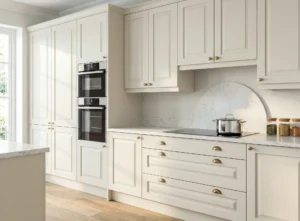
→ Shop Flat Pack Kitchen Units Now: Chatham Linen Superior Matt Vinyl
Kitchen Units vs Kitchen Cabinets: Is There a Difference?
In everyday use, “kitchen units” and “kitchen cabinets” often mean the same thing. However, when pricing a kitchen, it helps to be more specific.
A cabinet or unit may refer only to the carcass, which is the box structure. A full kitchen unit price may also include doors, drawer fronts, hinges, shelves, legs and fittings. Worktops, handles, sinks, taps and appliances may be separate.
This is why two kitchen quotes can look very different even when the layout looks similar. One may be cabinet-only. Another may include panels, handles, worktops, delivery and fitting. Always ask for the quote to be itemised.
If you want a broader overview of cabinet pricing, you can also read our kitchen cabinet prices Ireland guide →
How Many Kitchen Units Do You Need?
There is no single answer because every kitchen layout is different. A compact galley kitchen may use fewer units but still work well if the storage is planned carefully. A large open-plan kitchen may need more units, but poor planning can still leave it feeling awkward.
A useful starting point is to think in zones:
- Cooking: hob, oven, extractor, pans and utensils.
- Cleaning: sink, dishwasher, bins and cleaning products.
- Food storage: fridge freezer, dry goods, larder unit or pantry space.
- Preparation: clear worktop space, chopping boards and everyday tools.
- General storage: plates, glasses, mugs, trays and small appliances.
If one zone has no storage nearby, the kitchen may look fine on paper but become annoying to use. For example, putting all drawers far from the hob can make cooking less practical. Placing the bin too far from the prep area can make daily use awkward.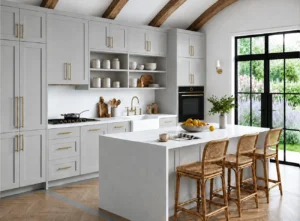
Flat Pack, Pre-Assembled or Fitted Kitchen Units?
Once you know what type of units you need, the next decision is how they should be supplied and installed.
| Option | Best For | What to Consider |
|---|---|---|
| Flat pack kitchen units | Homeowners who want clear pricing and are comfortable organising assembly or fitting. | Usually more cost-effective, but assembly and installation need to be planned. |
| Pre-assembled units | Projects where you want to reduce assembly time on site. | Usually costs more than flat pack and needs more delivery/storage space. |
| Fitted kitchen units | Homes where design support, measuring and professional installation are important. | Higher overall cost, but often more support from planning to completion. |
Flat pack units can be a good option for straightforward rooms and clear budgets. Fitted kitchen units are often better where the room is awkward, services need adjusting, or you want one team to help with the design and installation process.
Looking for a cost-effective kitchen option? Explore our Flat Pack Kitchens →
Prefer units that arrive ready to install? Explore our Pre-Assembled Kitchens →
If you are comparing options, read our flat pack vs pre-assembled vs fitted kitchens guide →
What to Check Before Ordering Kitchen Units
A kitchen order should never be based only on a quick wall measurement. The small details are what prevent problems during fitting.
Measure the Room Properly
Measure wall lengths, ceiling height, window positions, door openings, radiator positions, pipes, sockets and existing appliance spaces. Take photos as well as measurements.
Check Door and Drawer Clearances
Cabinet doors, drawers, dishwasher doors and oven doors all need room to open. This is especially important near corners, islands and narrow walkways.
Allow for Filler Panels
Filler panels help cabinets fit neatly against walls and corners. Without them, doors may not open properly or the kitchen may look unfinished.
Plan Appliances Early
Integrated appliances affect unit sizes. A dishwasher, oven housing or fridge freezer should not be treated as an afterthought.
Think About Worktop Runs
The unit layout affects the worktop. Corners, joins, sink cut-outs and hob cut-outs all need to be considered before ordering.

Where to Spend More and Where to Keep It Simple
A good kitchen is not always the most expensive one. It is the one where the money is spent in the right places.
It is usually worth investing in strong cabinet construction, reliable hinges, good drawer runners and a layout that works for daily use. These are the parts you notice over time, even if they are not the most exciting when choosing a kitchen.
You can often keep costs under control by using standard unit sizes, avoiding unnecessary layout changes, choosing storage upgrades carefully and keeping plumbing or electrical points in sensible positions where possible.
The biggest mistake is spending heavily on visible finishes while ignoring the practical structure underneath. Beautiful doors will not fix a poor layout, weak storage plan or badly measured room.
Common Mistakes When Buying Kitchen Units
Comparing Quotes Without Checking What Is Included
One quote may include panels, plinths, handles and delivery. Another may only include the basic cabinet units. Always compare like with like.
Ordering Too Many Wall Units
Wall units are useful, but too many can make a kitchen feel heavy. In some rooms, tall storage or wider drawers may be more practical.
Forgetting the Bin
Bin storage is often left until the end, but it is used every day. Plan it early, especially in smaller kitchens.
Ignoring Uneven Walls
Many Irish homes, especially older properties, have walls that are not perfectly straight. This affects fillers, end panels and how the final kitchen lines up.
Choosing Units Before Planning Appliances
Appliances affect cabinet sizes, ventilation, sockets and clearances. Choose the main appliances before finalising the unit list.
Final Thoughts
Kitchen units are not just boxes that fill a wall. They decide how the kitchen stores food, how drawers open, where appliances sit, how much worktop you get and how easy the room is to use every day.
If you are planning a kitchen in Ireland in 2026, start with the layout, then choose the right mix of base units, wall units, tall units, drawers and storage accessories. Once the unit plan is clear, pricing becomes much easier to understand.
Planning kitchen units for your home?
Share your measurements, photos or rough layout with Kitchens4U and our team can help you take the next step.
Book a Free Design Consultation →
Not sure how the planning process works? Read our free kitchen design consultation guide →
FAQ: Kitchen Units Ireland
What are kitchen units?
Kitchen units are the cabinet structures that make up a kitchen. They include base units, wall units, tall units, drawer units, sink units, corner units and appliance housing units.
How much do kitchen units cost in Ireland?
Kitchen unit prices vary depending on the number of units, door style, finish, drawers, storage accessories and whether the kitchen is flat pack, pre-assembled or fitted. As a broad 2026 guide, small flat pack cabinet packages may start around €2,500–€5,000, while more complete fitted kitchen projects can sit much higher once worktops and installation are included.
What are standard kitchen unit sizes in Ireland?
Common kitchen unit widths include 300mm, 400mm, 500mm, 600mm, 800mm and 1000mm. Base units, wall units and tall units all have different height and depth considerations, so always check the exact dimensions before ordering.
Are kitchen units and kitchen cabinets the same thing?
In everyday conversation, kitchen units and kitchen cabinets usually mean the same thing. When comparing prices, however, check whether the quote includes only the cabinet carcasses or also doors, drawers, hinges, panels, handles and fitting.
Are flat pack kitchen units cheaper than fitted kitchen units?
Flat pack kitchen units are usually cheaper upfront because they are supplied in parts for assembly. Fitted kitchens cost more because they often include more design support, measuring, delivery, installation and finishing work.
What kitchen units give the best storage?
Tall larder units, deep drawer units and well-planned corner units usually give the best storage. The best choice depends on your kitchen layout, ceiling height and what you need to store.
Can I order kitchen units before choosing appliances?
It is better to choose the main appliances before finalising your kitchen unit list. Ovens, dishwashers, fridge freezers, hobs and extractors all affect cabinet sizes, clearances and service positions.
Do kitchen unit prices include worktops?
Not always. Some kitchen unit prices include cabinets only, while others may include worktops, handles, panels, delivery or fitting. Always ask for an itemised quote so you know exactly what is included.