How to Design a Fitted Kitchen That Still Works in 10 Years
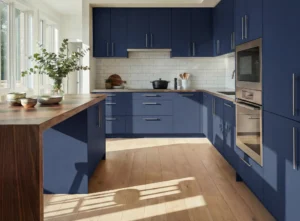
A fitted kitchen is one of the most substantial investments made within a home. Beyond aesthetics, it directly impacts daily routines, long-term property value, and overall living quality.
While design trends evolve rapidly, the underlying principles of good kitchen design remain consistent. A kitchen that continues to function well and feel relevant after 10 years is rarely the most trend-led — it is the most carefully considered.
For homeowners undertaking a kitchen renovation in Ireland, designing with longevity in mind requires attention to layout planning, material durability, construction quality, and lifestyle adaptability.
Below are the core principles that define long-lasting kitchen design.
1. Build the Design Around Layout, Not Style
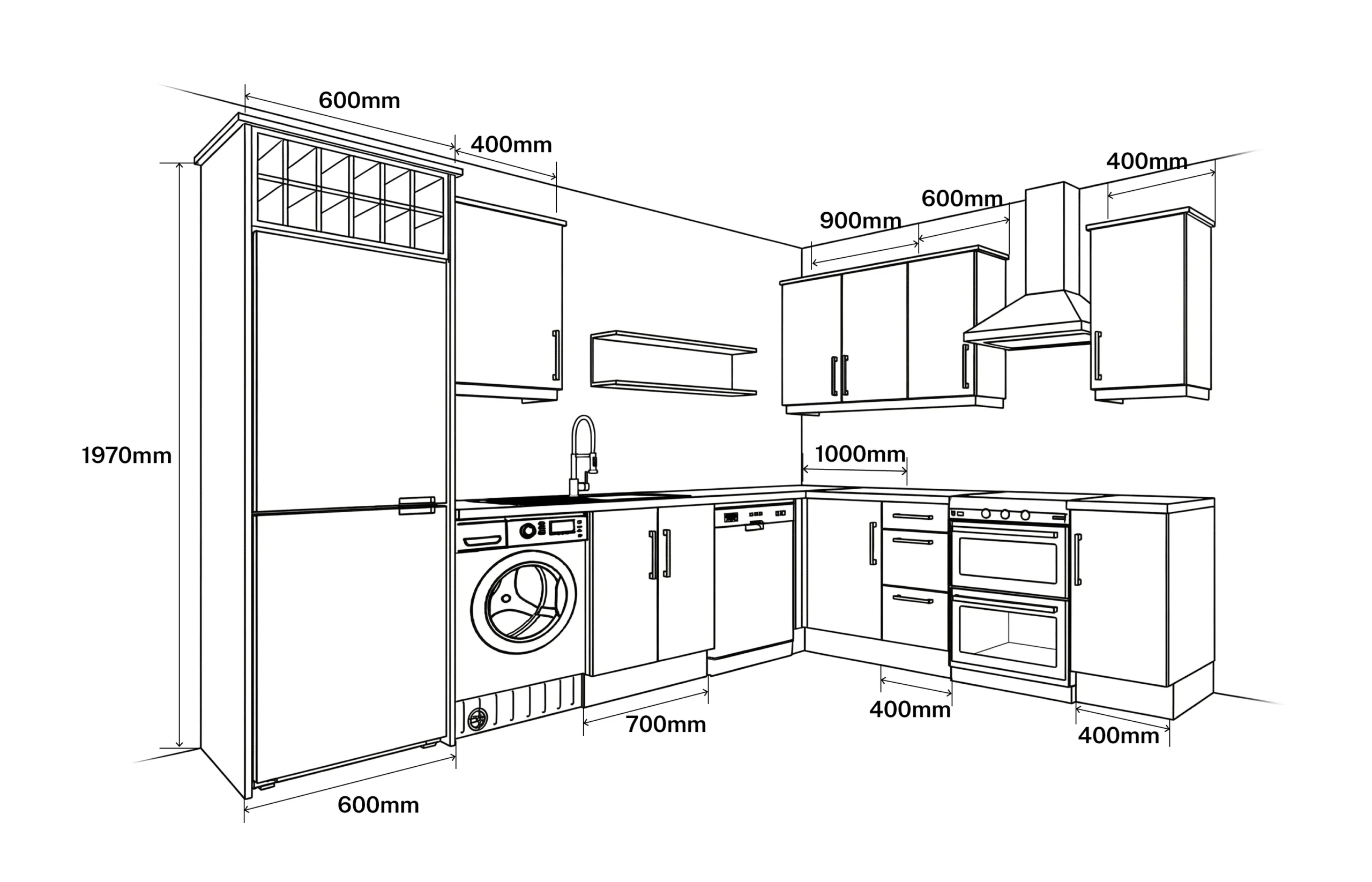
The layout is the most permanent and structurally influential decision within any kitchen renovation. Unlike cabinet finishes or hardware, layout errors are expensive and disruptive to correct later.
A well-executed fitted kitchen design should prioritise:
Logical workflow between refrigeration, preparation, and cooking zones
Adequate landing space adjacent to ovens and hobs
Comfortable circulation clearances (particularly around islands)
Efficient zoning of storage near its point of use
In Ireland, where kitchens often function as both preparation spaces and social hubs, circulation becomes especially important. Poor spacing can lead to congestion during peak family use or entertaining.
A strong layout ensures that the kitchen remains efficient even as household routines evolve.
2. Select Cabinet Styles That Age Gracefully
Cabinetry defines the visual identity of a kitchen, yet overly intricate detailing or highly trend-driven finishes can date prematurely.
Timeless options such as shaker kitchens or refined slab designs have remained relevant across decades because they are proportionally balanced and adaptable.
Neutral palettes — including warm whites, soft greys, muted greens and understated taupes — provide long-term flexibility. These tones work well with Ireland’s natural light conditions and allow the space to evolve through changes in décor, lighting, or accessories.
A well-designed kitchen does not rely on novelty to feel current. Instead, it relies on proportion, balance, and restraint.
 Rathlin Evergreen Matt Vinyl Flat Pack Kitchen Cabinets
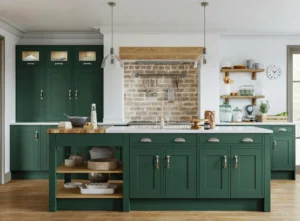
For example, our Rathlin Evergreen Matt Vinyl Flat Pack Kitchen Cabinets demonstrate how a muted green tone combined with a clean flat slab profile can feel contemporary without being trend-driven. The matt finish softens the colour, while the simple door design ensures the kitchen remains adaptable and relevant for years to come.
This type of balanced, understated cabinetry allows the space to evolve through changes in hardware, lighting, or styling — without requiring a full redesign.
3. Invest in Durable, Performance-Led Materials
After a decade of daily use, structural durability becomes more significant than initial visual impact.
When evaluating materials for a kitchen renovation in Ireland, consider:
Moisture-resistant cabinet carcasses suited to fluctuating humidity
High-quality hinges and drawer runners rated for heavy daily use
Door finishes resistant to heat and steam
Durable worktops such as quartz, valued for stain resistance and longevity
Quartz worktops remain a preferred choice due to their strength, low maintenance requirements, and consistent surface performance.
Long-lasting kitchen design is defined by how well materials withstand wear — not just how they look when newly installed.
4. Design Storage with Long-Term Flexibility
Storage capacity alone is insufficient; how storage functions is equally important.
Effective kitchen storage solutions should include:
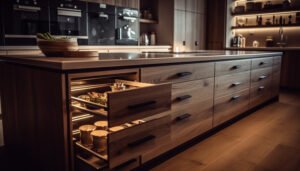
Deep drawer systems for pots and pans
Tall larder units for vertical efficiency
Internal pull-out mechanisms to reduce wasted corner space
Integrated waste and recycling solutions
As families grow and lifestyle patterns shift, storage demands change. Designing layered and adaptable storage ensures the kitchen remains organised without relying on visible countertop appliances.
Clutter is often what makes kitchens feel dated. Thoughtful storage design helps preserve visual clarity over time.
5. Introduce Trends Through Replaceable Elements
While incorporating contemporary design cues can personalise a space, permanent architectural elements should remain measured.
Trend-led decisions are better expressed through:
Lighting fixtures
Decorative hardware
Paint colours
Bar seating
Splashback accents
These elements can be updated without major structural intervention. By contrast, highly specific cabinet colours or unconventional layouts are more difficult to revise.
Designing with this distinction in mind protects the long-term relevance of the kitchen.
6. Plan for Evolving Lifestyle Needs
A kitchen that functions well in 10 years is one that anticipates change.
Consider future scenarios:
Increased entertaining
Growing or aging family members
Flexible or remote working
Accessibility adjustments
Custom kitchen design allows these considerations to be integrated subtly from the outset, ensuring the space adapts rather than restricts.
Forward-thinking design reduces the need for costly redesigns later.
7. Recognise the Importance of Professional Installation
Even the most carefully planned fitted kitchen design can underperform if installation quality is compromised.
Professional kitchen installation ensures:
Accurate cabinet alignment
Level worktop fitting
Proper sealing around sinks and appliances
Structural stability over time
A coordinated kitchen supply and fit service reduces miscommunication between trades and enhances overall finish quality. Longevity is influenced not only by design decisions, but by execution standards.
Designing Beyond Trends
A kitchen that remains functional and aesthetically relevant after 10 years is defined by clarity of design intent. It prioritises intelligent layout planning over short-term novelty, invests in durable materials, applies restraint in stylistic choices, and is installed to a consistently high professional standard.
At Kitchens4U, our approach to fitted kitchen design in Ireland is built around long-term performance. From material selection to final installation, every stage is carefully considered to ensure your kitchen continues to look refined and function efficiently well into the future.
For homeowners planning a kitchen renovation, designing with longevity in mind protects your investment — practically, visually, and financially. A structured design consultation allows these long-term considerations to be addressed from the outset, aligning your aesthetic preferences with performance-led planning.
If you are considering your next renovation project, explore our full range of fitted kitchen options at our wesite or visit our showroom to discuss your plans with our design team.