Dublin Kitchens

How to Care for Your Kitchen Sink: Cleaning and Maintenance Tips

Choosing the right sink is an important step, but proper maintenance is key to ensuring that your sink remains in top condition for years to come. Whether you have a stainless steel, ceramic, or composite kitchen sink, keeping it clean and well-maintained will help maintain its appearance, prevent damage, and increase its lifespan. Follow these detailed maintenance tips for each type of sink material to keep your kitchen sink looking pristine and functioning well.
1. Clean Regularly to Prevent Grime Buildup
A clean sink is essential not just for appearance but for hygiene as well. Regular cleaning will help you avoid stains, bacteria buildup, and rust marks, all of which can accumulate quickly in a busy kitchen.
How often to clean: Clean your sink after every use, especially if you’re preparing food or washing dishes. Give it a deeper cleaning once a week to remove any grease, soap scum, or food particles that can build up over time.
Cleaning method:
For stainless steel sinks, wipe the surface with warm soapy water and rinse thoroughly.
For ceramic sinks, a mixture of baking soda and water can gently scrub away stains without damaging the surface.
Daily Maintenance: After cleaning, rinse your sink with warm water to remove any detergent residues, especially if you’ve been washing dishes with harsh soaps.
2. Use Gentle Cleaners to Avoid Scratching the Surface
When cleaning your sink, always opt for gentle, non-abrasive cleaners. Harsh chemicals or scrubbing with rough materials can scratch and damage the sink’s finish, leading to dullness or permanent surface damage.
For Stainless Steel Sinks:
Use a mild dish soap with a soft cloth or sponge. Avoid steel wool or harsh scouring pads, as these can leave unsightly scratches on the surface.
To restore the shine, you can use a stainless steel cleaner or polish that’s specifically designed for kitchen sinks.
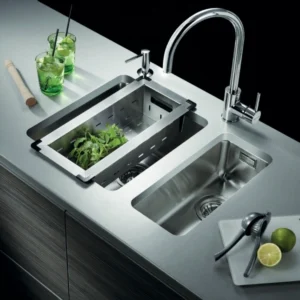 Sicilia Lydia Medium Undermount 1.0 Bowl
For Ceramic Sinks:
Non-abrasive scrubs like baking soda or dish soap mixed with water are excellent for cleaning. Apply the paste gently using a sponge to lift off stains.
Avoid harsh chemical cleaners that can damage the glaze and cause discoloration over time.
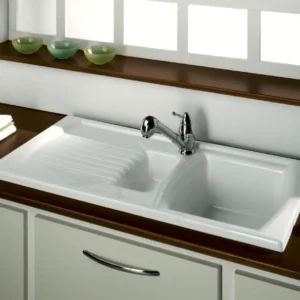 Cesaro Lusitano White 1.5 Bowl Ceramic Sink
For Composite Sinks:
A gentle all-purpose cleaner or a mild dishwashing liquid works best.
Never use bleach or abrasive scouring pads as they can dull the surface and lead to fading or damage.
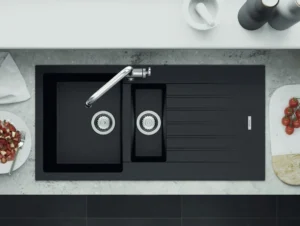 Kalura 1.5 Black Inset Composite Sink
3. For Ceramic Sinks, Use Non-Abrasive Pads to Keep the Finish Pristine
Ceramic sinks are known for their smooth, glossy surface that gives them an elegant, high-quality appearance. However, the wrong cleaning techniques can scratch and dull the finish. Here’s how to preserve the pristine look of your ceramic sink:
Use non-abrasive sponges or pads: Always clean your ceramic sink with a soft sponge or non-abrasive cleaning pad. Using a rough scrubber, such as steel wool, can damage the surface and create tiny scratches that are hard to fix.
Remove hard water stains: Hard water can leave mineral deposits on the sink’s surface. To remove these stains, use a white vinegar solution (1 part vinegar to 1 part water). Soak a cloth in the solution, apply it to the stained area, and let it sit for 10-15 minutes before wiping clean.
Prevent stains: After washing dishes or preparing food, it’s a good idea to dry your sink with a soft cloth to prevent water spots and hard water stains.
Polish the surface: Once every few months, you can use a ceramic sink polish to bring back the shine and protect the glaze from stains or discoloration.
4. Regularly Check for Leaks and Damage
No matter what material your kitchen sink is made of, always check for signs of wear or damage. A small crack, chip, or loose fitting can cause bigger issues down the line.
Check for leaks around the sink’s plumbing fixtures. If you notice any water pooling around the base of the sink or beneath it, you should address it promptly to avoid water damage.
Examine seals around undermount sinks and between your faucet and sink to ensure there are no signs of deterioration or gaps.
Chipped edges or cracks: If you have a ceramic or composite sink, check for chips or cracks that could harbor bacteria. A small chip can be easily repaired with a filler, but larger cracks may require professional attention to prevent water damage.
5. Dry the Sink After Use
After each use, it’s good practice to dry your sink with a soft, clean towel or cloth. This step prevents water spots and mineral deposits, which can be a common problem with stainless steel and ceramic sinks.
For Stainless Steel Sinks: Drying after each use helps prevent rust and water spots.
For Ceramic Sinks: It helps maintain the shiny finish and prevents hard water stains.
For Composite Sinks: Drying prevents water from sitting too long and reduces the risk of mold or bacteria buildup.
Conclusion: Keep Your Small Kitchen Sink in Top Shape
Maintaining your kitchen sink is essential for both its longevity and appearance. Regular cleaning, using the right cleaners, and keeping an eye on wear and tear will ensure your small kitchen sink remains functional and aesthetically pleasing for many years.
By taking proper care of your sink, whether it’s a Sicilia Lydia Undermount Sink or a Cesaro White Belfast Butler Sink, you’re investing in a cleaner, more efficient, and longer-lasting kitchen feature.
For more advice on selecting or maintaining your kitchen sink, or if you’re looking to upgrade to a new model, visit Kitchens4U for expert guidance and product recommendations. Our wide range of kitchen sinks ensures that you’ll find the perfect option for your small kitchen.